
MeFoam-PE High-MW (High Molecular Weight Polyether-Modified Silicone Defoamer): Sustained Anti-Foam Persistence for Shelf-Stable Coatings and Long Production Runs
SEMITECH MeFoam-PE High-MW is the persistence-optimised polyether silicone defoamer engineered for shelf-stable waterborne paint, multi-hour pulp and wastewater process water, and emulsion polymerisation reactors where anti-foam activity must remain effective for hours to weeks. Higher MW PDMS backbone (Mw 30,000–80,000) gives slower spreading kinetics but longer-lasting film integrity. Pair with Low-MW for fast knockdown + sustained persistence. 25 kg HDPE pail, 2–4 week ex-China lead time.
Contents
| Polyether-PDMS | 0.05–0.3% | 200–500 cP |
|---|---|---|
| Chemistry | Typical loading | Viscosity |
Chemistry & Specifications
High-MW polyether-PDMS, 200–500 cP, hydrophobic silica nucleator; longer-lasting bubble-film integrity.
MeFoam-PE High-MW is the high-molecular-weight counterpart to MeFoam-PE Low-MW — same polyether-modified PDMS chemistry but with Mw 30,000–80,000 g/mol vs the 5,000–15,000 of the Low-MW grade. Polyether (polyethylene oxide / polypropylene oxide) side chains are grafted at 5–15 mol% of the methyl positions to provide hydrophilic compatibility with waterborne formulations while preserving the surface-tension differential that drives the spreading-defoaming mechanism. SEMITECH supplies the active compound at 100% in glycol carrier with hydrophobic silica nucleator at 1–3% and antioxidant stabiliser at 0.05–0.1%.
The defining specification is viscosity: 200–500 cP at 25°C — 4–10× higher than the Low-MW grade. The higher molecular weight means slower diffusion to the air-water interface in newly-formed foam, slower spreading across the bubble film, but a thicker, more durable spread film once formed. This translates to defoaming kinetics on the order of 30–90 seconds in standard 0.5% aqueous SDS surfactant solution at 25°C (vs 5–15 seconds for Low-MW), but anti-foam persistence of 12–48 hours after dosing (vs 1–4 hours for Low-MW). The chemistry is the same — the operational difference is purely the MW-driven kinetics vs persistence trade-off.
Defoaming Mechanism: Slow Spreading + Durable Film for Long Persistence
Same surfactant-displacement mechanism as Low-MW, but slower spreading and more durable interface film.
MeFoam-PE High-MW operates by the same three-step spreading-rupture mechanism as the Low-MW counterpart, but with kinetics shifted toward persistence: (1) defoamer droplet partitions to the air-water interface, slower than Low-MW due to higher viscosity and slower droplet break-up under shear; (2) the silicone phase spreads across the bubble film, slower spreading rate but thicker spread layer (5–20 nm vs 1–5 nm for Low-MW); (3) hydrophobic silica nucleates bubble rupture, similar mechanism but the thicker spread film resists re-stabilisation by surfactant for longer.
- Loading 0.05–0.15% — shelf-stable waterborne paint (12+ month retail shelf-life)
- Loading 0.10–0.20% — emulsion polymerisation reactors (multi-hour cycle times)
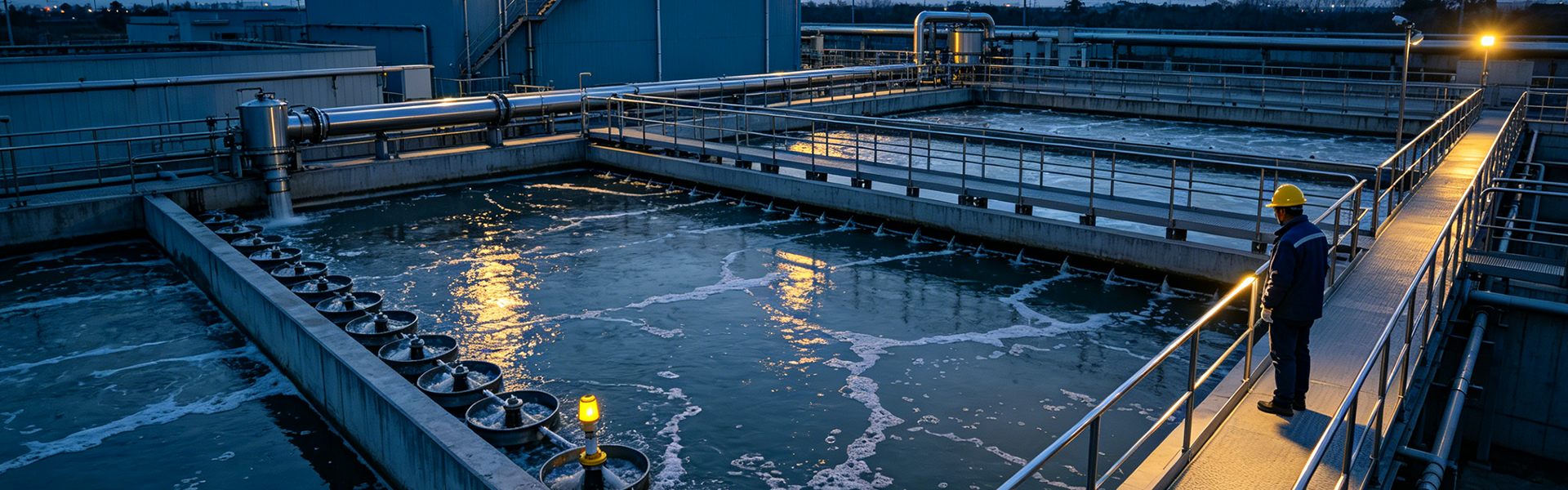
- Loading 0.10–0.30% — pulp mill and wastewater process water (continuous-feed systems)
- Loading 0.05–0.15% — adhesive emulsions and binder formulations with extended storage requirement
The pairing strategy with MeFoam-PE Low-MW is the standard practice in production-scale waterborne paint manufacturing: dose 0.10% Low-MW at let-down stage for fast 5–15 second initial defoaming during high-shear mixing, then dose 0.05% High-MW after 30 minutes for sustained anti-foam persistence during shipping, retail storage, and end-use application. Total active silicone of 0.15% (Low + High combined) gives both fast knockdown and long persistence — outperforming either grade alone at single-grade equivalent loading.
Applications & Formulation Guidance
Shelf-stable waterborne paint, emulsion polymerisation, pulp/wastewater, adhesives with extended storage.
Shelf-stable waterborne paint is the largest single application — retail-channel emulsion paints with 12–24 month shelf life, OEM-supplied paint for industrial coil-coating with 6+ month buffer stock, and architectural paint for distribution-warehouse storage. MeFoam-PE High-MW at 0.05–0.15% (often co-dosed with 0.05–0.10% Low-MW for initial knockdown) provides foam suppression that holds through shipping vibration, temperature cycling, and prolonged shelf storage. Without High-MW persistence, retail-channel waterborne paint develops surface foam during storage that produces brush-marks and air-entrainment defects when applied 6–12 months after manufacture.
Emulsion polymerisation reactors (PVAc, EVA, vinyl-acrylic, styrene-acrylic copolymer manufacturing) use MeFoam-PE High-MW at 0.10–0.20% to suppress reactor foam during multi-hour polymerisation cycles. Cycle times of 4–8 hours at high-shear agitation create severe foam loads that Low-MW grades cannot sustain through the full cycle without re-dosing. Pulp mill and wastewater process water systems use MeFoam-PE High-MW at 0.10–0.30% in continuous-feed dosing. Construction adhesive emulsions (waterborne wood glue, ceramic-tile adhesive, vinyl-floor adhesive) with 6+ month manufacture-to-application timeline use MeFoam-PE High-MW at 0.05–0.15% to ensure foam suppression remains active at end-use.
Procurement, Storage and Quality Control
CoA per shipment; 25 kg HDPE pail; 12-month sealed shelf life; tolerates ambient handling; non-flammable.
SEMITECH issues a CoA on every batch with: viscosity at 25°C (Brookfield, target 200–500 cP), active silicone content (FT-IR or solvent extraction, target ≥98%), hydrophobic silica content (ash analysis, target 1–3%), water content (Karl Fischer, target ≤0.5%), and visual appearance. Standard packing 25 kg HDPE pails for active compound; 200 kg HDPE drums for bulk paint plants; 50% emulsion form available in 25 kg HDPE jerrycans on request. MOQ 25 kg per grade. Lead time 1–2 weeks ex-Zhejiang to Asia ports, 4–6 weeks to Europe and North America after sea freight.
Storage: stable under ambient conditions; no nitrogen blanket required; non-flammable. Recommended: store sealed below 30°C in original packaging; the higher viscosity makes pour-out slower in cold weather — for production lines in cold climates, pre-warm the drum to 25–30°C before dosing to maintain consistent metering. Shelf life 12 months sealed for active compound; 6 months for emulsion form. Compatibility testing: same protocol as Low-MW grade; small-batch trials are mandatory before production-scale dosing. REACH and regulatory: REACH-registered for industrial use; FDA 21 CFR 175.300 listed for indirect food-contact in printing-ink and packaging-coating applications. SDS in EU/GHS format issued with every shipment.
MeFoam-PE High-MW is the persistence-optimised polyether defoamer — 200–500 cP viscosity, 12–48 hour anti-foam persistence in shelf-stable waterborne paint, emulsion polymerisation, pulp/wastewater systems. Pair with MeFoam-PE Low-MW for production runs requiring both fast knockdown and sustained persistence.
MeFoam-PE High-MW Specification Sheet
SEMITECH stocked grade; CoA per batch.
| Property | Specification | Test Method |
|---|---|---|
| Chemistry | High-MW polyether-modified PDMS + hydrophobic silica | — |
| Form | 100% active in glycol carrier | — |
| PDMS Mw (typical) | 30,000–80,000 g/mol | GPC |
| Active silicone content | ≥98% | Solvent extraction |
| Hydrophobic silica content | 1–3% | Ash analysis |
| Appearance | Cloudy white to off-white viscous liquid | Visual |
| Density (25°C) | 0.97–1.00 g/cm³ | ASTM D1475 |
| Viscosity (25°C) | 200–500 cP | Brookfield |
| Surface tension (1% aq.) | 22 ± 2 mN/m | Du Noüy ring |
| pH (1% aq.) | 6.0–8.0 | pH meter |
| Water content | ≤0.5% | Karl Fischer |
| Anti-foam persistence (lab test) | 12–48 hr at 0.1% in 0.5% SDS | Internal |
| Flammability | Non-flammable (flash point >150°C) | ASTM D93 |
| Solubility | Self-emulsifies in water; soluble in glycols, esters | — |
| Packaging | 25 kg / 200 kg HDPE pail or drum | — |
| Shelf life | 12 months sealed below 30°C | — |
FAQ
+Why does my retail-channel waterborne paint develop surface foam after 6 months of storage?
Loss of defoamer persistence — Low-MW silicone defoamers re-disperse into the bulk over time as the spread film at the air-water interface breaks down, leaving the formulation susceptible to renewed foaming on agitation. Solution: switch the defoamer system to MeFoam-PE High-MW at 0.05–0.10%, or use the dual-grade pairing (Low + High at 0.10 + 0.05%). The High-MW grade forms a thicker, more durable interface film that resists re-stabilisation by surfactant for 12–48+ hours, providing the storage stability needed for retail-channel paint with 12–24 month shelf life requirements.
+Is MeFoam-PE High-MW compatible with my high-shear paint manufacturing line?
Yes, but with a small process adjustment. The higher viscosity (200–500 cP vs 30–50 cP for Low-MW) requires slightly more shear energy to achieve uniform droplet break-up during initial dispersion. Recommendation: dose MeFoam-PE High-MW during the high-shear let-down step (Cowles disperser at 1500+ rpm, 15–30 minutes) rather than at low-shear blending stages where the high-MW grade may not fully disperse. If your line cannot accommodate the additional shear, request the 50% emulsion form which is pre-dispersed and easier to incorporate at lower shear, with a small (typically 10–15%) increase in dosing to compensate for the dilution.
+Can I use MeFoam-PE High-MW alone, or do I need the Low-MW for fast knockdown?
Depends on the application time scale. For shelf-stable retail paint where the 30–90 second knockdown of High-MW is acceptable during initial manufacturing (foam clearance happens during the let-down rest period), High-MW alone at 0.10–0.15% works. For high-throughput production lines where the next process step (filtering, packaging) starts within 30 seconds of let-down, the slower kinetics of High-MW alone causes carry-over of un-cleared foam — pair with Low-MW at 0.05–0.10% for initial fast clearance. Industrial applications without retail shelf-life concerns (industrial coil coating dosed within 1 week of manufacture) can use Low-MW alone.
