
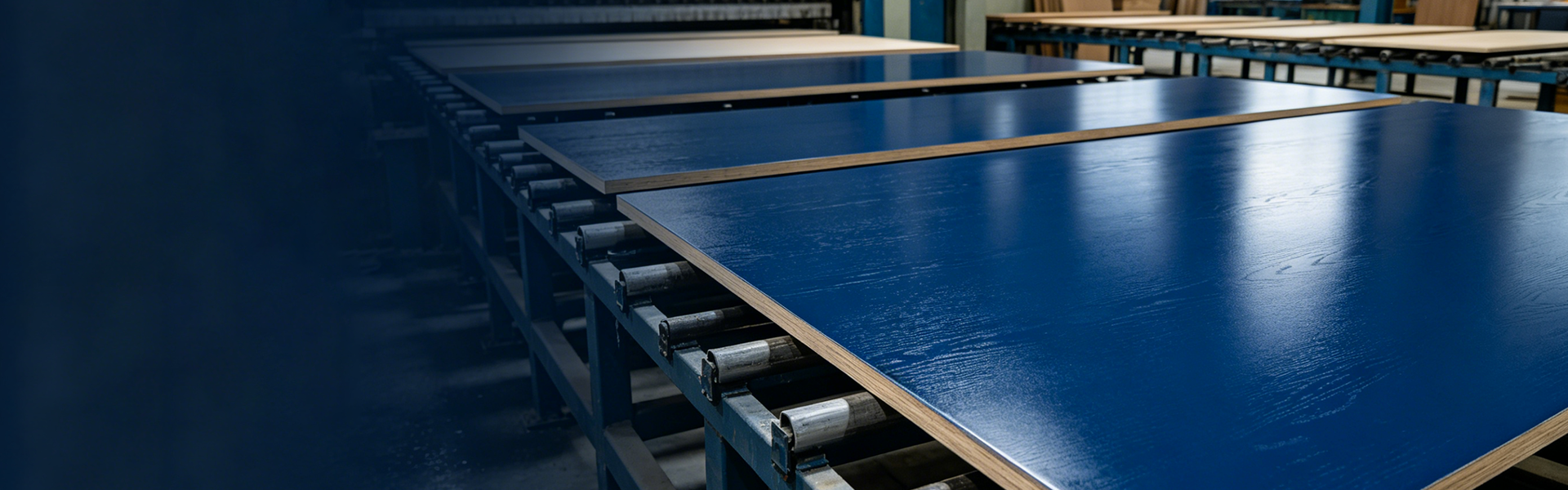
Silica matting agents control gloss in wood furniture, UV-cured, and industrial lacquer systems by scattering light at the dried film surface. Gloss level is determined by particle size, loading level, and applied film thickness.
How Matting Agents Control Gloss
Silica particles protrude slightly above the film surface as it dries, creating micro-rough topography that scatters incident light instead of reflecting it specularly. Gloss at 60° (GU) depends on particle size, loading, and film thickness — thinner films concentrate particles near the surface for more efficient matting.
Wood & Furniture Coatings
The largest end market for matting agents. Wax-treated silica at 4–7% achieves 15–35 GU with excellent transparency and improved scratch resistance.
Furniture Lacquers (NC/PU)
Wax-treated silica at 4–7%; achieves 15–40 GU with improved scratch mar resistance and good transparency.
Parquet & Floor Coatings
Abrasion-resistant matting silica with narrow PSD for uniform gloss in high-traffic floor finish applications.
Waterborne Wood Coatings
Organically modified silica grades disperse readily in aqueous systems without foaming or settling issues.
Kitchen & Cabinet Topcoats
Chemical-resistant matting systems for surfaces exposed to cleaning agents, moisture, and heat cycling.
UV-Curable Systems
UV coatings cure in seconds, leaving little time for particle migration. Use wax-treated or organically modified grades such as GMATT U800. Standard untreated matting silica is not recommended for UV systems. Target dosage 4–6%; pre-disperse in monomer before main batch addition.
Industrial & Protective Coatings
| Coating Type | Target Gloss (60°) | Recommended Grade | Special Requirement |
|---|---|---|---|
| Metal topcoat (solvent) | 20–40 GU | Wax-treated, d50 5–8 µm | Corrosion resistance |
| Automotive refinish | 60–75 GU (satin) | Fine treated, d50 3–5 µm | DOI preservation |
| Marine antifouling | 10–30 GU | Coarse untreated | Biocide compatibility |
| Powder coating | 5–30 GU | Dry-process silica | Heat stability >200°C |
| Leather & textile finish | 5–25 GU | Organically modified | Flexibility, hand feel |
Formulation Tips
Dispersion: Add matting agent last in the let-down stage. High shear mixing for 10–15 minutes achieves adequate dispersion.
Film thickness: Gloss is sensitive to applied film thickness — define gloss target at a specific wet film thickness and hold constant.
Stability: Use anti-settling additives (fumed silica, organoclay) at 0.3–0.8% to extend pot life.
Grade Selection Guide
| Grade Type | d50 Particle Size | Surface Treatment | Best For |
|---|---|---|---|
| Ultra-fine treated | 3–5 µm | Wax or organic | UV, automotive, high clarity |
| Standard treated | 5–8 µm | Wax | Wood lacquers, metal topcoats |
| Coarse treated | 8–12 µm | Wax | Deep matte, floor coatings |
| Untreated | 5–10 µm | None | Solvent systems, marine |
| Organically modified | 4–7 µm | Silane/organic | Waterborne, leather, textile |
Browse our full matting agent range including the GMATT U800 UV-optimized grade.
Related Products
Frequently Asked Questions
+How do silica matting agents work in coatings?
Silica particles protrude above the film surface, creating micro-roughness that scatters light. Gloss reduction depends on particle size, loading level, and film thickness.
+What dosage of matting agent is typical for wood coatings?
3–8% by weight to achieve 10–40 GU at 60°. Higher loadings risk haze and reduced mechanical properties. Validate by draw-down at target film thickness.
+Can matting agents be used in UV-curable coatings?
Yes, but use surface-modified grades like GMATT U800. Pre-disperse in monomer before adding to the main formulation.
+Does adding matting agent affect coating hardness or scratch resistance?
At 3–7% dosage, impact is minimal. Wax-treated grades can improve mar resistance. Above 8%, some film softening may occur.
+What is the difference between treated and untreated matting agents?
Treated grades (wax, silane, or organic coating) offer improved dispersibility, reduced moisture sensitivity, and better compatibility with UV and waterborne coatings versus bare-silanol untreated grades. See our matting agent range.