
SEMITECH
Titanium Alkoxides

SEMITECH TBT — Tetra-n-butyl Titanate Ti(OBu)₄

TBT is synthesized by alcoholysis of titanium tetrachloride (TiCl₄) with anhydrous n-butanol (n-BuOH), releasing HCl byproduct that must be scrubbed. Both feedstocks carry supply-chain concentration risk. TiCl₄ is manufa

TBT is synthesized by alcoholysis of titanium tetrachloride (TiCl₄) with anhydrous n-butanol (n-BuOH), releasing HCl byproduct that must be scrubbed. Both feedstocks carry supply-chain concentration risk. TiCl₄ is manufactured by chlorinating ilmenite or rutile in the chloride-process route; global capacity is concentrated in China (≈55%), the US (Chemours), and Europe (Venator/Cristal). n-Butanol is produced via propylene hydroformylation (oxo process) or, increasingly, fermentation routes; BASF, Eastman, Dow, and Sinopec hold the majority of nameplate capacity. A simultaneous tightening of propylene feedstock and chlorine availability — both linked to PVC production cycles — can compress TBT margins abruptly.

Technical Specifications

FeedstockPrimary Process RouteKey ProducersSupply Risk Level
Titanium Tetrachloride (TiCl₄)Chloride process (rutile/ilmenite + Cl₂)Chemours, Venator, Lomon Billions, PangangMedium-High
n-Butanol (n-BuOH)Propylene oxo (hydroformylation)BASF, Eastman, Sinopec, DowMedium
HCl scrubbing / neutralizationLime or NaOH treatmentOn-site utilityLow
Anhydrous solvents (optional diluent)Petroleum distillationRegional distributorsLow

Upstream Supply Chain: TiCl₄, n-Butanol, and Feedstock Concentration Risks

TBT is synthesized by alcoholysis of titanium tetrachloride (TiCl₄) with anhydrous n-butanol (n-BuOH), releasing HCl byproduct that must be scrubbed. Both feedstocks carry supply-chain concentration risk. TiCl₄ is manufactured by chlorinating ilmenite or rutile in the chloride-process route; global capacity is concentrated in China (≈55%), the US (Chemours), and Europe (Venator/Cristal). n-Butanol is produced via propylene hydroformylation (oxo process) or, increasingly, fermentation routes; BASF, Eastman, Dow, and Sinopec hold the majority of nameplate capacity. A simultaneous tightening of propylene feedstock and chlorine availability — both linked to PVC production cycles — can compress TBT margins abruptly.

FeedstockPrimary Process RouteKey ProducersSupply Risk Level
Titanium Tetrachloride (TiCl₄)Chloride process (rutile/ilmenite + Cl₂)Chemours, Venator, Lomon Billions, PangangMedium-High
n-Butanol (n-BuOH)Propylene oxo (hydroformylation)BASF, Eastman, Sinopec, DowMedium
HCl scrubbing / neutralizationLime or NaOH treatmentOn-site utilityLow
Anhydrous solvents (optional diluent)Petroleum distillationRegional distributorsLow

Price Outlook, Trade Flows, and Supply Chain Dynamics

TBT pricing tracks TiCl₄ contract prices with a 6–8-week lag, as producers typically hold 30–60 day raw-material inventory. Chinese export prices for technical-grade TBT have ranged USD 4.80–7.20/kg FOB Shanghai over the 2023–2025 period, with spikes correlated to chlorine shortages during PVC capacity ramp cycles. European and US buyers increasingly dual-source between a domestic tolling supplier (for regulatory security) and a Chinese primary supplier (for cost base). Anti-dumping scrutiny on Ti chemicals from China has heightened in the EU as of 2025; buyers should monitor TBT HS code 2920.90 tariff schedules. Lead times from Chinese traders average 4–8 weeks to Europe; North American ports add 2–3 weeks via Pacific routing.

RegionIndicative Price Range (USD/kg, ex-works or FOB)Lead TimeKey Risk Factor
China (FOB Shanghai)4.80 – 6.504–8 weeksTiCl₄ / chlorine availability; export tariff changes
Europe (CIF Rotterdam)7.50 – 10.506–10 weeksREACH registration; EU anti-dumping scrutiny
North America (DDP warehouse)8.00 – 12.008–12 weeksPort congestion; TSCA compliance cost
India (CIF Mumbai)5.50 – 7.805–9 weeksBIS certification; rupee volatility

Industrial Application Scenarios

What TBT Is and Why It Leads the Ti Alkoxide Category

Tetra-n-butyl titanate (TBT) is a titanium(IV) alkoxide in which four n-butoxy ligands coordinate to a central titanium atom, yielding a liquid with 14.1 wt% Ti and CAS number 5593-70-4. Its moderate hydrolysis rate — slower than tetraisopropyl titanate (TPT) but faster than longer-chain variants — makes it the preferred choice when controlled condensation kinetics are required. In PET polymerization, TBT catalyzes the polycondensation step at 270–285°C without the antimony residues that complicate food-contact regulations. In sol-gel and paint-drier formulations, the butoxy chain length balances pot life against cure speed. SEMITECH TBT is a direct process-grade equivalent to DuPont TYZOR TBT, qualifying without reformulation in most existing SDS and safety data packages.

Downstream Demand: PET, Coatings, and Specialty Esterification

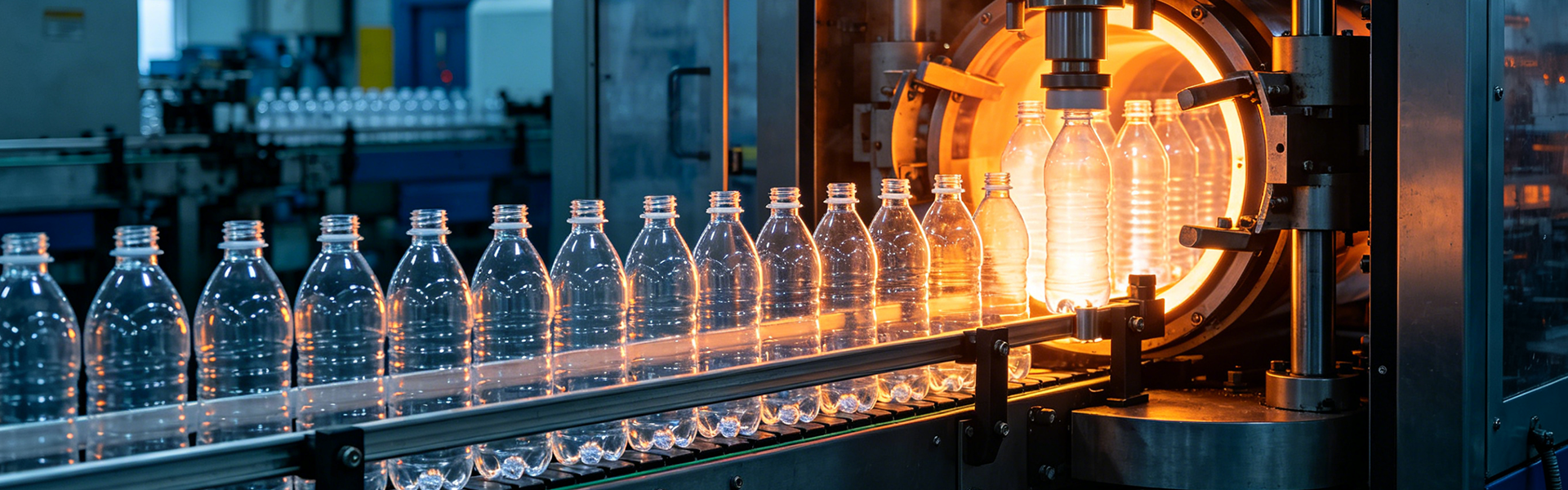
Downstream consumption of TBT splits across three verticals with different macro sensitivities. PET polymerization accounts for the largest share: global PET resin capacity exceeded 115 million MT/yr in 2025, driven by bottle-grade resin in beverage packaging and textile-grade fiber in Asia. Titanium-based catalysts including TBT have gained share versus antimony trioxide (Sb₂O₃) as the EU and several Asian markets tighten heavy-metal limits in food-contact plastics. Sol-gel and ceramic precursor applications are growing at mid-single-digit CAGR, pulled by EV battery separator coatings and optical thin-film deposition. Paint drier and adhesive-coupling end-uses are mature but sticky; switching costs are high once a formulation is registered.PET Polycondensation — Operating temperature 270–285°C; TBT dose 10–80 ppm Ti relative to polymer; critical that Ti content ≥14.0% to avoid overdosing.Sol-Gel Thin Films — Hydrolysis rate tunable by water ratio; TBT at 0.1–1.0 M in IPA or toluene produces TiO₂ films with refractive index 2.1–2.3 at 550 nm.Esterification & Transesterification — Catalyst at 0.01–0.1 wt% accelerates fatty acid esterification for biodiesel and plasticizer esters; no heavy-metal residue concern.Paint Driers & Adhesion Promoters — Promotes adhesion of alkyd resins and two-component polyurethanes to metallic substrates; often co-used with zirconium chelates.

Frequently Asked Questions

What TBT Is and Why It Leads the Ti Alkoxide Category

Tetra-n-butyl titanate (TBT) is a titanium(IV) alkoxide in which four n-butoxy ligands coordinate to a central titanium atom, yielding a liquid with 14.1 wt% Ti and CAS number 5593-70-4. Its moderate hydrolysis rate — slower than tetraisopropyl titanate (TPT) but faster than longer-chain variants — makes it the preferred choice when controlled condensation kinetics are required. In PET polymerization, TBT catalyzes the polycondensation step at 270–285°C without the antimony residues that complicate food-contact regulations. In sol-gel and paint-drier formulations, the butoxy chain length balances pot life against cure speed. SEMITECH TBT is a direct process-grade equivalent to DuPont TYZOR TBT, qualifying without reformulation in most existing SDS and safety data packages.

Downstream Demand: PET, Coatings, and Specialty Esterification

Downstream consumption of TBT splits across three verticals with different macro sensitivities. PET polymerization accounts for the largest share: global PET resin capacity exceeded 115 million MT/yr in 2025, driven by bottle-grade resin in beverage packaging and textile-grade fiber in Asia. Titanium-based catalysts including TBT have gained share versus antimony trioxide (Sb₂O₃) as the EU and several Asian markets tighten heavy-metal limits in food-contact plastics. Sol-gel and ceramic precursor applications are growing at mid-single-digit CAGR, pulled by EV battery separator coatings and optical thin-film deposition. Paint drier and adhesive-coupling end-uses are mature but sticky; switching costs are high once a formulation is registered.PET Polycondensation — Operating temperature 270–285°C; TBT dose 10–80 ppm Ti relative to polymer; critical that Ti content ≥14.0% to avoid overdosing.Sol-Gel Thin Films — Hydrolysis rate tunable by water ratio; TBT at 0.1–1.0 M in IPA or toluene produces TiO₂ films with refractive index 2.1–2.3 at 550 nm.Esterification & Transesterification — Catalyst at 0.01–0.1 wt% accelerates fatty acid esterification for biodiesel and plasticizer esters; no heavy-metal residue concern.Paint Driers & Adhesion Promoters — Promotes adhesion of alkyd resins and two-component polyurethanes to metallic substrates; often co-used with zirconium chelates.

+Q: What is tetra-n-butyl titanate used for?

A: Tetra-n-butyl titanate (TBT) is primarily used as a catalyst in PET polymerization (replacing antimony trioxide), as a sol-gel precursor for TiO₂ coatings, as an esterification catalyst in biodiesel and plasticizer production, and as an adhesion promoter in alkyd paints and two-component polyurethanes. Its moderate hydrolysis rate makes it the most versatile commercial titanium alkoxide.

+Q: Is SEMITECH TBT equivalent to DuPont TYZOR TBT?

A: Yes. SEMITECH TBT matches TYZOR TBT in chemical identity (CAS 5593-70-4, Ti(OBu)₄), titanium content (≥14.0 wt% Ti), and GC purity (≥99%). Most formulations can qualify SEMITECH TBT as an alternate source without reformulation, provided a CoA and SDS review confirms no process-critical impurity differences.

+Q: How does TBT compare to tetraisopropyl titanate (TPT) for sol-gel applications?

A: TPT hydrolyzes faster than TBT due to the shorter, more sterically accessible isopropoxy ligand, which can cause premature gelation in open-vessel processes. TBT’s slower hydrolysis rate gives longer pot life and better film uniformity in spin-coating and dip-coating operations. For high-humidity environments or aqueous sol-gel systems, TBT is generally preferred. See our tetraisopropyl titanate page for a side-by-side comparison.

+Q: What are the storage requirements for TBT?

A: TBT must be stored sealed under dry nitrogen or argon in a cool, dry location (10–25°C). Moisture contact causes irreversible hydrolysis and condensation to polymeric titanium oxides, which appear as a white precipitate and deactivate the product. Once opened, containers should be blanketed with dry gas and resealed immediately. Shelf life is 12 months in unopened original packaging.

+Q: Why are TBT prices volatile, and how can buyers manage supply risk?

A: TBT pricing is linked to titanium tetrachloride (TiCl₄) and n-butanol feedstock markets. TiCl₄ supply is concentrated in China and tracks chlorine availability, which tightens when PVC production cycles ramp. Buyers can mitigate this by dual-sourcing (one Chinese and one regional supplier), locking quarterly contracts rather than spot purchases, and monitoring propylene and chlorine futures as leading indicators.

+Q: What regulatory considerations apply to TBT procurement in the EU and US?

A: In the EU, TBT is REACH-registered and classified as a skin irritant and aquatic toxic; distributors must supply a compliant SDS under REACH Annex II. In the US, TBT is listed on the TSCA inventory. Food-contact applications require additional clearance under EU 10/2011 or FDA 21 CFR. Buyers replacing antimony-based PET catalysts with TBT should confirm the Ti-based catalyst is cleared under their specific end-use regulation.

+Ready to optimise your formulation?

Contact the Semitech technical team for product recommendations, samples and TDS.

Contact Technical TeamBrowse Products

03 / Inquiry

Enquire about SEMITECH TBT — Tetra-n-butyl Titanate Ti(OBu)₄.

Submit your technical requirements and volume. A SEMITECH specialist will recommend the right spec and arrange sample shipment.

Reply
24hrs
Sample
5days

Your information is used only to respond to your inquiry and will not be shared.

TelegramWhatsApp