
The Technical Guide to Selecting Insulating Glass Sealant
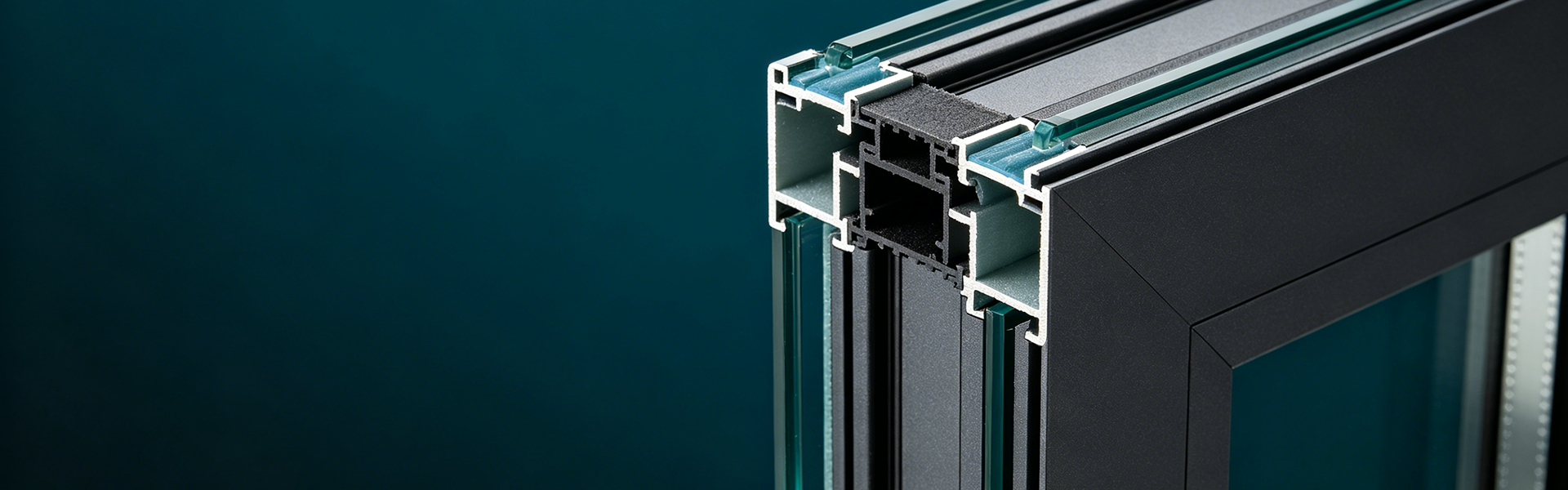
BLUF: Insulating Glass Sealant is the primary barrier for structural integrity and thermal performance in IG Units. By providing high-modulus bonding and superior gas retention, it prevents moisture vapor transmission and accommodates mechanical stress caused by thermal expansion.
Why Silicone is Essential for Insulating Glass Sealant Performance
Why do conventional adhesives fail on smooth, high-polarity glass surfaces? High-performance Insulating Glass Sealant utilizes a polysiloxane backbone. The Si-O bond energy (445 kJ/mol) is significantly higher than the C-C bond in organic glues. This molecular stability allows it to remain elastic from -60°C to +200°C, ensuring the IG unit does not delaminate under extreme climatic pressure.

Industrial Applications for Insulating Glass Sealant
Is the use of Insulating Glass Sealant limited to residential windows? Hardly. Engineering-grade sealants are critical across a spectrum of demanding environments:
- Structural Glazing: Supporting massive glass curtain walls in skyscrapers by transferring wind loads to the structure.
- Façade Partitions: Creating seamless, frame-free office spaces with high clarity bonding.
- Automotive Windshields: Ensuring airtight seals in sunroofs and windshields under high-frequency vibration.
- Thermal Appliances: Used in oven doors or refrigeration units where temperature differentials are constant.
Technical Parameter Matrix: Quantifying Sealant Quality
Data-Driven Decision Making: When specifying an Insulating Glass Sealant, engineers must verify these core physical values:
| Property | Typical Value | Test Standard |
|---|---|---|
| Tensile Modulus | High/Medium/Low (≥ 0.6 MPa) | ISO 8339 |
| Movement Capability | ± 25% or higher | ASTM C719 |
| UV Stability | 5000h (No cracks/chalking) | ASTM G154 |
| Shore A Hardness | 30 – 45 pts | ASTM C661 |
Curing Chemistry: Neutral vs. Acetoxy Systems
Is the choice of cure type merely a matter of odor? This is a common engineering misconception. Acetoxy (acid) cure is fast but releases acetic acid, which can corrode sensitive metals or mirror coatings. Neutral cure systems are the industry standard for coated glass and structural frameworks.
Neutral Cure
Non-corrosive, compatible with coated glass, aluminum, and stone. Low odor.
Acetoxy Cure
Rapid cure speed, high adhesion to pure glass, but corrosive to metals and concrete.

FAQ: Insights from Engineer No. 1
+Q: Why does some Insulating Glass Sealant yellow after several months?
A: This is typically due to the use of non-100% silicone or excessive low-quality mineral oil fillers. High-quality sealants must maintain 100% silicone purity to withstand UV degradation.
+Q: Can new sealant be applied directly over old residue?
A: No. Silicone does not bond effectively to cured silicone. Mechanical removal followed by an isopropyl alcohol (IPA) wipe is mandatory for structural safety.
System Closure: Selecting the correct Insulating Glass Sealant is the prerequisite for long-term project stability. Engineers should specify based on substrate material and environmental load. For detailed TDS (Technical Data Sheets), contact our technical support team.